
Why Is Kuwait Trying to Restore Its Former Football Level
Once leading the Gulf’s football charge, Kuwait now pushes past long stillness. Years faded under political blocks, old systems slowing every move forward. Not anymore – fresh leadership steps in, swapping neglect for sharp plans and stronger support. Money flows smarter today, top coaches shaping sharper players. Watch closely. A return to glory quietly begins.
جدول المحتويات
Legacy Pressure From Past Success
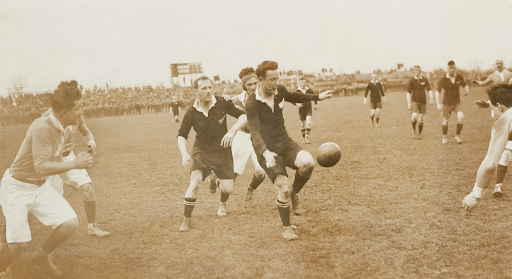
Even today, the 1982 World Cup stays alive in every Kuwaiti player’s thoughts. Back then, fans sensed magic – lately, that spark feels distant, even though triumphs once lit up Asia. Only one team from the Gulf has ever lifted the AFC Asian Cup: Kuwait did it in 1980, right at home, following their near-win in 1976. That victory, paired with stepping onto the global stage in Spain two years later – walking off level with Czechoslovakia – built a peak still unreachable. Since then, fresh talent doesn’t just bring ability; they wear expectations like weight across shoulders.
Back in the day, older players often tell younger ones how Kuwait used to call the shots in regional football. Fans who want to support this comeback often sign up at mel bet to stay close to the action. That era of control set a benchmark today’s officials are trying hard to match with new approaches. Getting back on top means going beyond old memories; it needs a full rethinking of how the country builds its soccer foundation.
The FIFA Suspension Years and Their Lasting Damage
Nothing hit Kuwaiti football harder than the FIFA suspensions. After the latest one started in 2015 – again because officials meddled in federation votes – the damage piled fast. Almost twenty-four months passed before things resumed, time enough to miss entire cycles of Asia Cup and World Cup qualifiers. Without entry into AFC club events, teams stalled. Foreign managers left mid-contract. Sponsors pulled out completely.
By the time restrictions ended near 2017’s start, everything felt different. Other nations had upgraded behind the scenes. Coaches improved rosters through steady play. Kuwait stood still while others raced ahead. Out of chaos came new rules – independence for the football body became non-negotiable after ties to government sparked distrust. Instead of old habits, elections now unfold under public scrutiny. Because past mix-ups blurred lines, clubs run without ministry interference these days. Each choice since then carries that history forward, quietly guiding how changes take form. What happened back then echoes in every current move.
Reforms in Domestic Football Structure
Now things shift as Kuwait’s football leaders leave old amateur ways behind. Because of past limits, progress slowed for years across the local game. Tougher club rules start now, demanding solid budgets and better practice spaces. With each step, organization pushes toward stable systems built to last. Changes dig into how teams run – money handled right, fields upgraded.
Progress shows where effort lands:
- Transitioning all top-tier clubs toward full privatization and independent commercial ownership.
- Implementing mandatory certification levels for every coach working within the professional league system.
- Upgrading stadium technology to meet international broadcasting and officiating standards for every match.
Now imagine small groups pushed to act more like real companies instead of handout-backed hobby circles. Staying up to date at home means athletes keep their edge once they meet nearby challengers.
Focus on Youth and Talent Pipeline
Fresh faces rising through local ranks now shape Kuwait’s game plan for years ahead. Dedicated fans can Download Melbet (Arabic: لعبه الطياره) to follow every rising star’s journey through the youth divisions. Success bought today fades fast when compared to roots dug deep at home –scouting locally matters more than ever.
Investment in Academies and Coaching
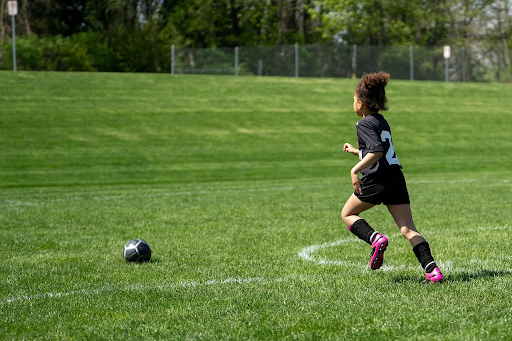
Eight-year-olds showing talent might now get spotted through new training hubs backed by state funds. Right now, instructors from Europe shape how kids learn smart positioning early on. Instead of counting only on pickup games outdoors, structured plans guide each youngster forward. These methods lean on numbers and routine rather than chance or raw instinct alone.
From overseas come trained mentors, now guiding homegrown coaches in modern training and healing methods. Because the bar rises here, every promising player gets solid direction, never left behind by weak support. With this backing, young talent links more smoothly into top-level national teams.
The Role of Portuguese Coaching in the National Setup
Choosing seasoned European coaches shows Kuwait wants better results. Not just names, but real change drives this move. Nearly two years under Portugal’s Rui Bento – from August 2022 to July 2024 – brought eleven victories across twenty-four games, a 46% win rate that delivered quiet but meaningful stability after the suspension era. Those numbers mattered more than headlines. When Bento left in mid-2024, Argentine Juan Antonio Pizzi stepped in, though his stint proved disappointing – Kuwait failed to secure direct World Cup 2026 qualification under his watch, and his contract expired without renewal in 2025.
Then came another Portuguese voice: Hélio Sousa, appointed on 31 July 2025 on a deal running through 2027, bringing Gulf experience sharpened by guiding Bahrain to their first-ever Gulf Cup title back in 2019.
Modern tactical structures – whether built around defensive compactness or fluid midfield triangles – stopped being experiments and became routine. Training grew sharper. Defending tightened. Expectations rose beyond what local mentors once asked. Salaries climbed too, paid by a federation now treating football seriously. Long seasons matter more than short celebrations. Success isn’t assumed. It is built. Patience replaces pressure.
Exposure Through International Competitions
Now comes a shift as Kuwaiti squads chase practice games with varied rivals, aiming to deepen how they see the sport unfold. Through clashing with contrasting approaches, younger talents slowly adjust to what strong present-day football asks from their bodies. Out on those fields, homegrown athletes meet the pressure that rules success outside the Arabian Gulf’s familiar grounds.
Showing up again and again at youth competitions throughout Asia creates real pressure, the kind that pushes skill forward. Because of this, the group puts weight behind travel plans meant to toughen players’ minds ahead of intense World Cup qualifiers down the road. Facing big moments young helps avoid freezing up when it matters most – something past squads struggled with on global stages.
Government and Federation Alignment
Now things move smoother since new rules reshaped how local sports bodies work alongside the national soccer group. With less push and pull, money flows easier into community-level efforts instead of slowing down in old layers of process. When it comes to building fields or planning trips for the national squad, updates pass quicker thanks to simpler ways of sharing information.
Repeated tests have hit the KFA’s promise of fair elections and sticking to FIFA rules. After a messy World Cup match versus Iraq – scorching temperatures, chaos among fans, several hurt – the entire board stepped down come September 2024. Heat played a role. So did poor oversight. An investigation followed, launched straight away by the football body. Top figures lost their roles temporarily, even the Secretary-General. Tough choices unfolded behind closed doors. Yet these steps showed something new: systems meant to keep power in check are actually working. Not just on paper anymore.
Measured Return to Regional Competitiveness
Kuwait now stands closer to elite teams than at any point during past Gulf Cup campaigns. During December’s 2024 Arabian Gulf Cup, played right here at home, they made it to the semis – beating the UAE while sharing points with Oman and Qatar in early matches – then fell just short against Bahrain, losing 1–0. It’s not flashes of brilliance that define them today, rather steady growth across every player. Slow but sure, their progress suggests Asian knockout stages could be within reach more often. Their climb feels quiet, yet impossible to ignore.